



The home test was straightforward with easy to follow instructions. The test result was detailed and clear in its presentation. Also had the opportunity to ask questions about the test result.
Richard

Order before 2:00 PM - your package will be shipped the same day!



Joint problems can present in many different ways, depending on the individual and the severity of the condition. Some common symptoms of joint problems include:
Joint problems can be caused by a variety of factors, including:
The treatment of joint problems from a functional medicine perspective typically involves a combination of lifestyle changes, dietary modifications, and targeted supplements or medications. Some common treatments for joint problems may include:
 Lab Test
Food Intolerance Testing
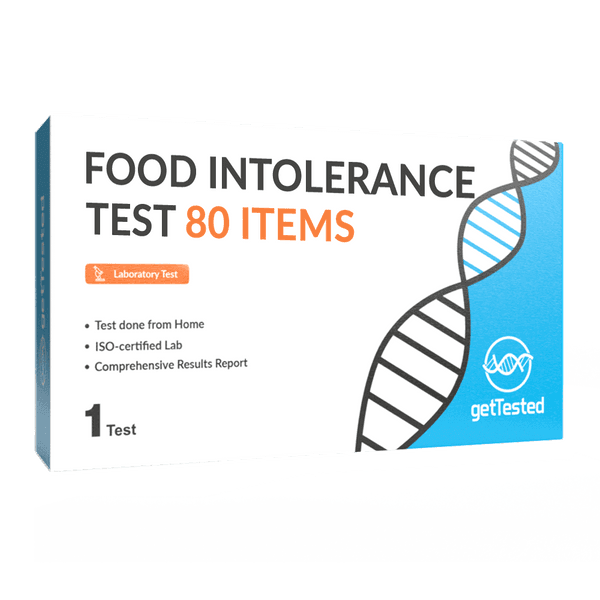
This test measures your hypersensitivity to 80 different foods, including gluten, wheat, milk, soy, eggs, and oats.
Food intolerances and the gut
A high number of food intolerances often indicates an underlying gut problem. In such cases, we recommend our Gut Microbiome XL or Leaky Gut tests. These can provide insights into any imbalances in gut health.
The Food Intolerance 80 Items Test (IgG4) from GetTested assesses sensitivities to a comprehensive array of foods. It includes a diverse range of foods such as meats, fish, dairy, grains, vegetables, fruits, nuts, and seeds. Key items like salmon, beef, various milks, wheat, and several nuts are tested, along with a selection of fruits and vegetables. This test helps in identifying individual intolerances to a broad spectrum of foods, aiding in dietary management and symptom relief.
Understanding your unique food sensitivities allows for personalised dietary adjustments, potentially reducing symptoms like bloating, headaches, fatigue, and skin issues.
Benefits of the Food Intolerance 80 Items Test:
Comprehensive Coverage: Tests a wide range of common foods to provide a thorough assessment.
Personalized Results: Identifies specific intolerances to help tailor your diet.
Symptom Relief: Helps in reducing and managing symptoms related to food intolerances.
Dietary Management: Assists in making informed dietary choices, promoting overall health and wellbeing.
By pinpointing foods that trigger adverse reactions, the Food Intolerance 80 Items Test (IgG4) from GetTested empowers you to make informed decisions about your diet, improving your quality of life and enhancing your health.
The ELISA-method
We perform the food intolerance test using the ELISA (enzyme-linked immunosorbent assay) method. This technique detects and quantifies soluble substances like peptides, proteins, antibodies, and hormones. It involves immobilizing the antigen on a microplate, then linking it to an antibody with a reporter enzyme. We measure the enzyme's activity to produce a quantifiable result, relying on a specific antibody-antigen interaction.
How to Take the Food Intolerance 80 Items Test
You can easily perform all our tests, including the Food Intolerance test, at home. After taking the test, you send it to our lab. We then analyse it and deliver your results digitally.
 Lab Test
Gluten Intolerance and Its Symptoms
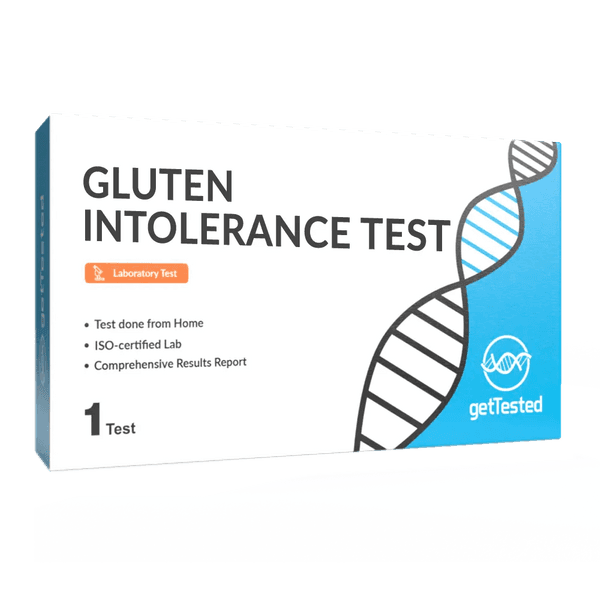
Gluten is a protein naturally found in wheat and other grains. Many foods, including pasta, cereal, and beer, as well as vitamins and cosmetics, contain gluten. Gluten acts as a binder, holding food together. For instance, without gluten, pizza dough would easily tear. Most people tolerate gluten well, as it can be beneficial for the good bacteria in the gut. However, some people experience serious side effects after consuming gluten, indicating gluten intolerance.
When you have gluten intolerance, you might feel sick after eating products containing gluten. Gluten intolerance is one of the most prominent autoimmune diseases, affecting about 1% of the world's population. It is wise to take our gluten intolerance test when heving the following symptoms.
Common Symptoms of Gluten Intolerance
The most common symptoms of gluten intolerance and celiac disease include:
Diarrhea or constipation
Difficulty gaining weight
Fatigue
Joint pain
Infertility
Flatulence
Nausea
Skin problems, such as rash
Headache
Gluten intolerance can also lead to mental health issues, including:
Anxiety
Concentration problems
Depression
Research has also established a link between celiac disease and both infertility and menstrual cycle changes in women.
Gluten Intolerance vs. Celiac Disease: Understanding the Difference
Gluten intolerance shares similarities with celiac disease and wheat allergy. People with gluten sensitivity and those with celiac disease experience similar symptoms. However, there's a crucial distinction. Celiac disease triggers the body to treat gluten as a harmful invader, leading to damage in the digestive tract. It's caused by an abnormal gene, which is not present in those with gluten sensitivity. The gluten intolerance test identifies the presence of this gene.
Individuals with gluten sensitivity or intolerance may not need to follow a strictly gluten-free diet. In contrast, people with celiac disease must avoid gluten completely, as even the smallest amount can cause long-term harm.
Common Nutrient Deficiencies in Celiac Disease
Celiac disease can lead to various nutrient deficiencies due to the damage it causes in the small intestine, affecting nutrient absorption. Key nutrients that individuals with celiac disease often find themselves deficient in include:
Iron: Reduced absorption can lead to anemia, a common issue in celiac disease.
Calcium and Vitamin D: Essential for bone health, deficiencies in these nutrients increase the risk of osteoporosis.
Folate and Vitamin B12: Important for red blood cell formation, their deficiency can also result in anemia.
Zinc: Necessary for immune function and skin health, zinc deficiency is common in individuals with celiac disease.
Vitamin B6: Crucial for metabolism and brain function, a lack of Vitamin B6 can affect overall health and well-being.
Identifying and addressing these deficiencies through diet or supplementation is crucial for managing celiac disease and improving quality of life.
 Lab Test
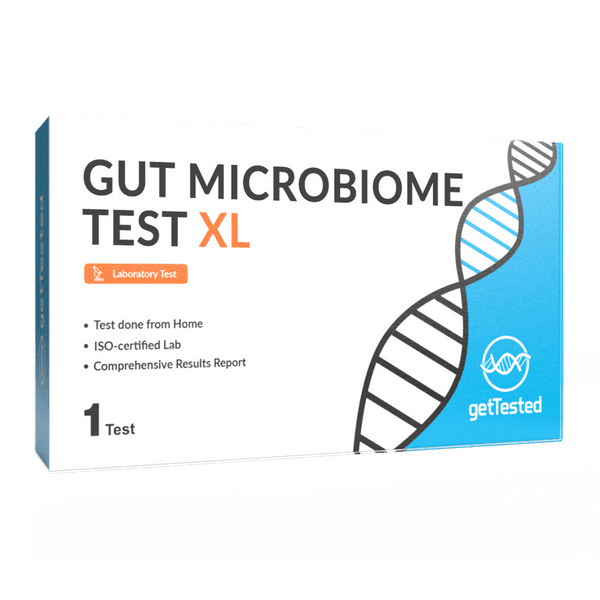
GetTested's Gut Microbiome Test XL
GetTested's Gut Microbiome Test XL is our most detailed test for assessing gut health. It checks for leaky gut, yeast overgrowths like Candida, and beneficial bacteria such as Lactobacillus and Bifidobacterium. Additionally, this test evaluates your digestion, inflammation markers, and more.
Why "Gut Test for Stressed People"?
At GetTested, we often refer to this test as perfect for those experiencing stress. Stress affects energy, mood, and notably, digestion. It triggers the sympathetic nervous system and dampens the parasympathetic system, disrupting digestive functions. An unbalanced gut can significantly affect overall body health, highlighting the 'Gut-Brain connection'. Studies link gut health with mental conditions, including depression, autism, Parkinson's, and Alzheimer's.
Understanding Leaky Gut
The term 'leaky gut' refers to a condition where the intestinal lining becomes overly permeable. This allows particles like undigested food and bacteria to seep into the bloodstream. The immune system reacts to these foreign substances, potentially leading to conditions like hypothyroidism, psoriasis, multiple sclerosis, allergies, IBS, and various autoimmune diseases. Symptoms range from food intolerances and fatigue to brain fog, skin problems, and depression. Testing for leaky gut is essential in identifying and managing these health issues.
Who Should Take GetTested's Gut Microbiome Test XL?
Anyone looking for a thorough analysis of their gut health will find this test beneficial. It's especially useful for those with digestive issues like IBS, Crohn's, ulcerative colitis, weight challenges, Parkinson's, Alzheimer's, depression, or those just wanting to optimize their overall health.
This test is not suitable for babies or children below the age of 6 years old.
How to Take the Test
All of GetTested's health tests, including this stool test, are designed for easy at-home use. The test kit includes everything needed. After completing the test, send it to our ISO-certified lab. Your digital results will be promptly sent to you.




4
1

3
2
The home test was straightforward with easy to follow instructions. The test result was detailed and clear in its presentation. Also had the opportunity to ask questions about the test result.
Richard

We looked at a lot of companies offering the same services but made the decision to go forward with get tested because the labs are based here in the Europe. The process has been very straight forward.
Natasha

There are other providers out there, I have tried 3. Gettested was the fastest and the customer service was the best. I even received my test on the day of purchase delivered by a motorbike courier.
Alan


Absolutely perfect, results came after few days and finally after a lots of times visited GP, we finally know why my son has eczema - he is allergy to carrot. Thanks a lot.
E

I found them to be professional and not too long a wait for results. Helpful with any after questions. Will be using them again if need be. I highly recommend them.
Eileen
