Gluten Intolerance Test
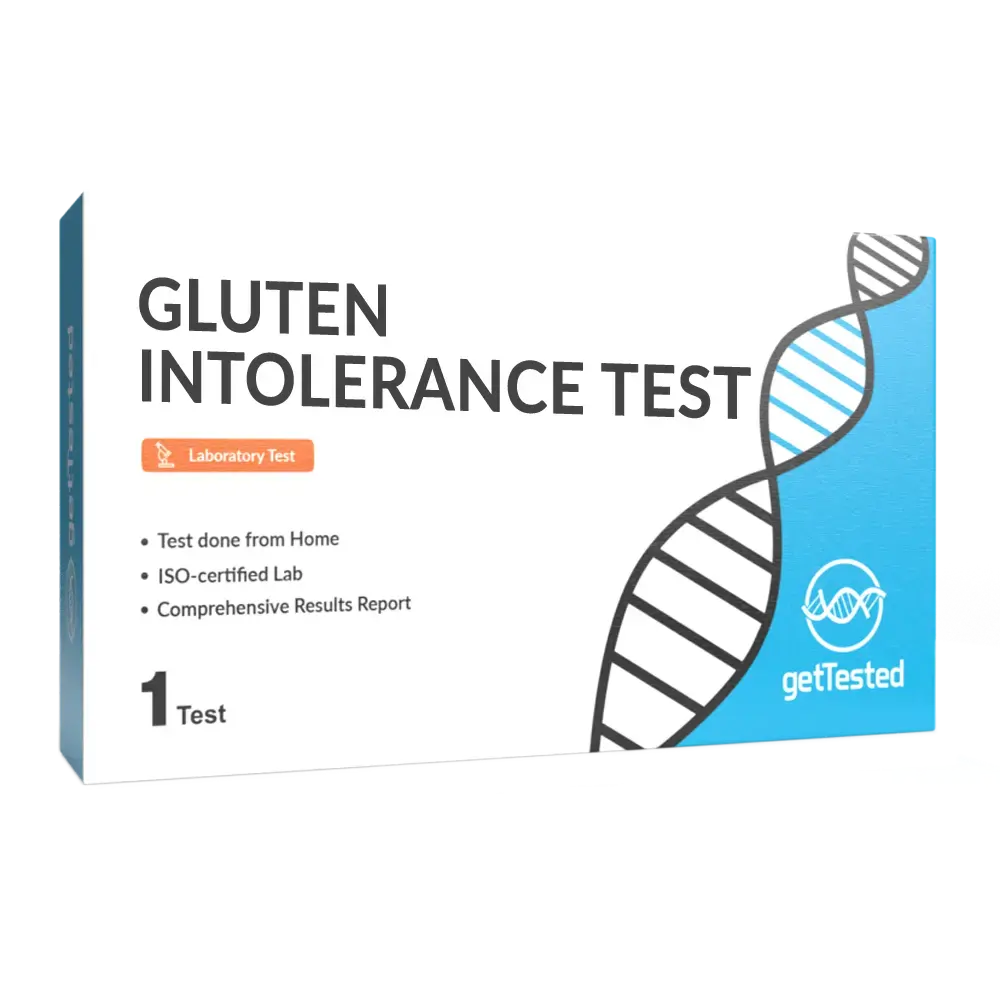
GetTested’s Gluten Intolerance Test is an at home blood test for people who want to understand whether gluten may be part of the picture behind bloating, digestive discomfort, fatigue, brain fog, skin issues or feeling unwell after eating bread, pasta, cereals or other gluten containing foods.
Gluten related symptoms can be difficult to identify because they may appear gradually or feel vague. This test measures IgG antibodies against tissue transglutaminase tTG, giving insight into a gluten related immune response that may be relevant when symptoms are hard to connect to one clear trigger.
To get a reliable result, it is important to continue eating gluten before testing, as removing gluten too early may make antibodies harder to detect.
€49.99
About Gluten Intolerance Test
Gluten, tTG IgG and Immune Response
Gluten is a protein found in wheat, rye, barley and many everyday foods such as bread, pasta, cereals, baked goods and processed foods.
Some people notice digestive or general symptoms after eating gluten containing foods, while others struggle with unclear symptoms that are harder to connect directly to diet. Measuring tissue transglutaminase IgG antibodies can provide insight into how the immune system may be responding in relation to gluten exposure.
This test can be useful when you want more information before making major dietary changes, especially if you are considering reducing or removing gluten from your diet.
What This Test Measures
Biomarkers
1 biomarkers
Sample
Blood
Results in
10-15 business days
Format
Lab Test
How It Works
- 1
Order Your Kit
- 2
Collect Your Sample
- 3
Send It Back
- 4
Receive Your Results
Blood Sample Collection
The sample is collected using a finger prick blood sample at home. A small blood sample is collected according to the included instructions and sent to the laboratory for analysis.
Have Questions?
Chat with our AI assistant for instant answers about this product, usage, or recommendations.
Over 500,000 Customers
4.8 out of 5 based on 5 reviews on this product
€49.99
Gluten Intolerance Test
GetTested’s Gluten Intolerance Test is an at home blood test for people who want to understand whether gluten may be part of the picture behind bloating, digestive discomfort, fatigue, brain fog, skin issues or feeling unwell after eating bread, pasta, cereals or other gluten containing foods.
Gluten related symptoms can be difficult to identify because they may appear gradually or feel vague. This test measures IgG antibodies against tissue transglutaminase tTG, giving insight into a gluten related immune response that may be relevant when symptoms are hard to connect to one clear trigger.
To get a reliable result, it is important to continue eating gluten before testing, as removing gluten too early may make antibodies harder to detect.
€49.99
Gluten, tTG IgG and Immune Response
Gluten is a protein found in wheat, rye, barley and many everyday foods such as bread, pasta, cereals, baked goods and processed foods.
Some people notice digestive or general symptoms after eating gluten containing foods, while others struggle with unclear symptoms that are harder to connect directly to diet. Measuring tissue transglutaminase IgG antibodies can provide insight into how the immune system may be responding in relation to gluten exposure.
This test can be useful when you want more information before making major dietary changes, especially if you are considering reducing or removing gluten from your diet.
What This Test Measures
Biomarkers
1 biomarkers
Sample
Blood
Results in
10-15 business days
Format
Lab Test
How It Works
- 1
Order Your Kit
- 2
Collect Your Sample
- 3
Send It Back
- 4
Receive Your Results
Blood Sample Collection
The sample is collected using a finger prick blood sample at home. A small blood sample is collected according to the included instructions and sent to the laboratory for analysis.
Is this the same as testing general food intolerance?
Should I change my diet based only on this test?
Do I need to eat gluten before testing?
Gluten Intolerance Test price and what’s included
Price history
Current price
€49.99
Starting price
€49.99
Total change
€0.00
No. of changes
0
Stable Pricing
No hidden fees. The price you see is the price you pay.
Price Lock Guarantee
Your price won't change after purchase.
Have Questions About This Product?
Chat with our AI assistant for instant answers about this product, usage guidelines, or personalized recommendations.
Over 500,000 Customers
4.8 out of 5 based on 5 reviews on this product