How does the thyroid function?
The thyroid is a hormone-producing gland that affects metabolism, energy levels, body temperature, and hormonal balance. The production of thyroid hormones is regulated by TSH from the pituitary gland, which signals the thyroid to produce the hormones T4 and T3.
T4 primarily functions as a precursor to the active hormone T3, which the body uses in cellular energy production and metabolism. For this conversion to function optimally, adequate nutrient status as well as healthy liver and gut function are important.
Imbalances in thyroid function can affect many parts of the body and may cause symptoms such as fatigue, sensitivity to cold, heart palpitations, weight changes, hair loss, and difficulty concentrating.
Which markers are measured?
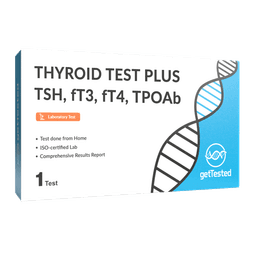
Thyroid Test Plus measures:
- TSH
- fT3
- fT4
- TPO antibodies
In addition to thyroid hormones, the test also analyzes TPO antibodies, which are associated with autoimmune processes affecting the thyroid gland. Elevated levels may occur in conditions such as Hashimoto's thyroiditis, where the immune system reacts against thyroid tissue.
Because TPO antibodies may be elevated even when TSH, fT3, and fT4 levels are still within normal reference ranges, this test provides a more comprehensive assessment than a standard thyroid test.
Underactive thyroid (hypothyroidism), common symptoms
- Fatigue or low energy
- Sensitivity to cold
- Weight gain
- Dry skin and hair loss
- Constipation
- Brain fog and difficulty concentrating
- Low mood
- Slow recovery
Overactive thyroid (hyperthyroidism), common symptoms
- Rapid heart rate or heart palpitations
- Heat intolerance
- Excessive sweating
- Anxiety and nervousness
- Weight loss
- Sleep disturbances
- Loose stools
- Inner restlessness
Autoimmune thyroid conditions and Hashimoto’s thyroiditis
Hashimoto’s thyroiditis is an autoimmune condition in which the immune system attacks the thyroid gland. Over time, this may affect the production of thyroid hormones and is a common underlying cause of hypothyroidism.
In Hashimoto’s thyroiditis, TPO antibodies may be elevated even before clear changes are seen in TSH, fT3, or fT4, making antibody analysis relevant for individuals experiencing symptoms despite normal thyroid hormone levels.
Important information
Thyroid medication and certain dietary supplements may affect the results. Examples of substances that may influence the analysis include tyrosine, phenylalanine, and biotin.
How does the test work?
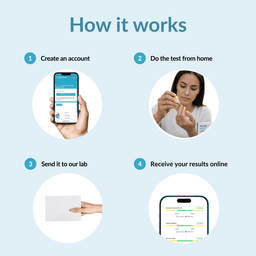
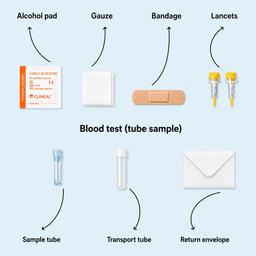
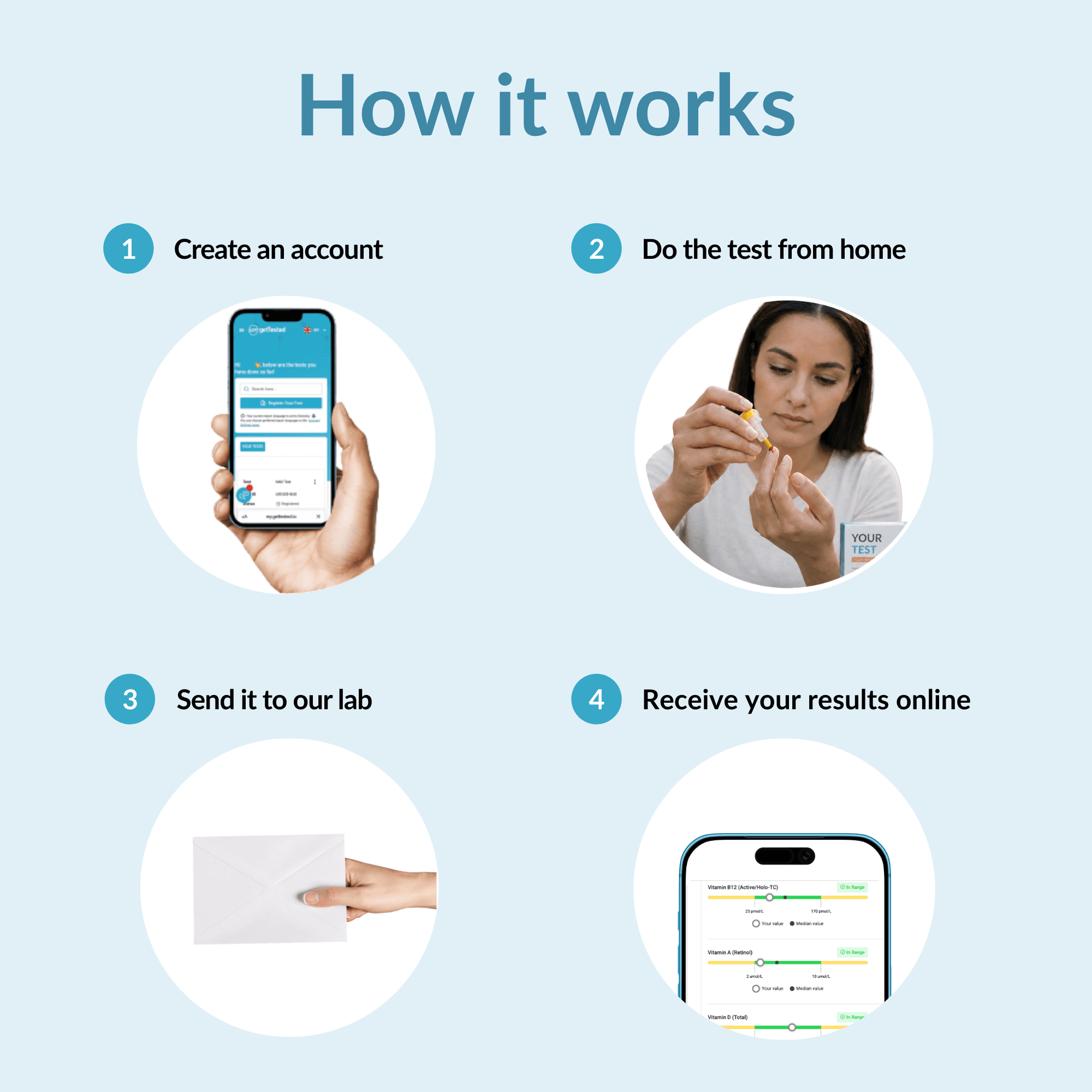
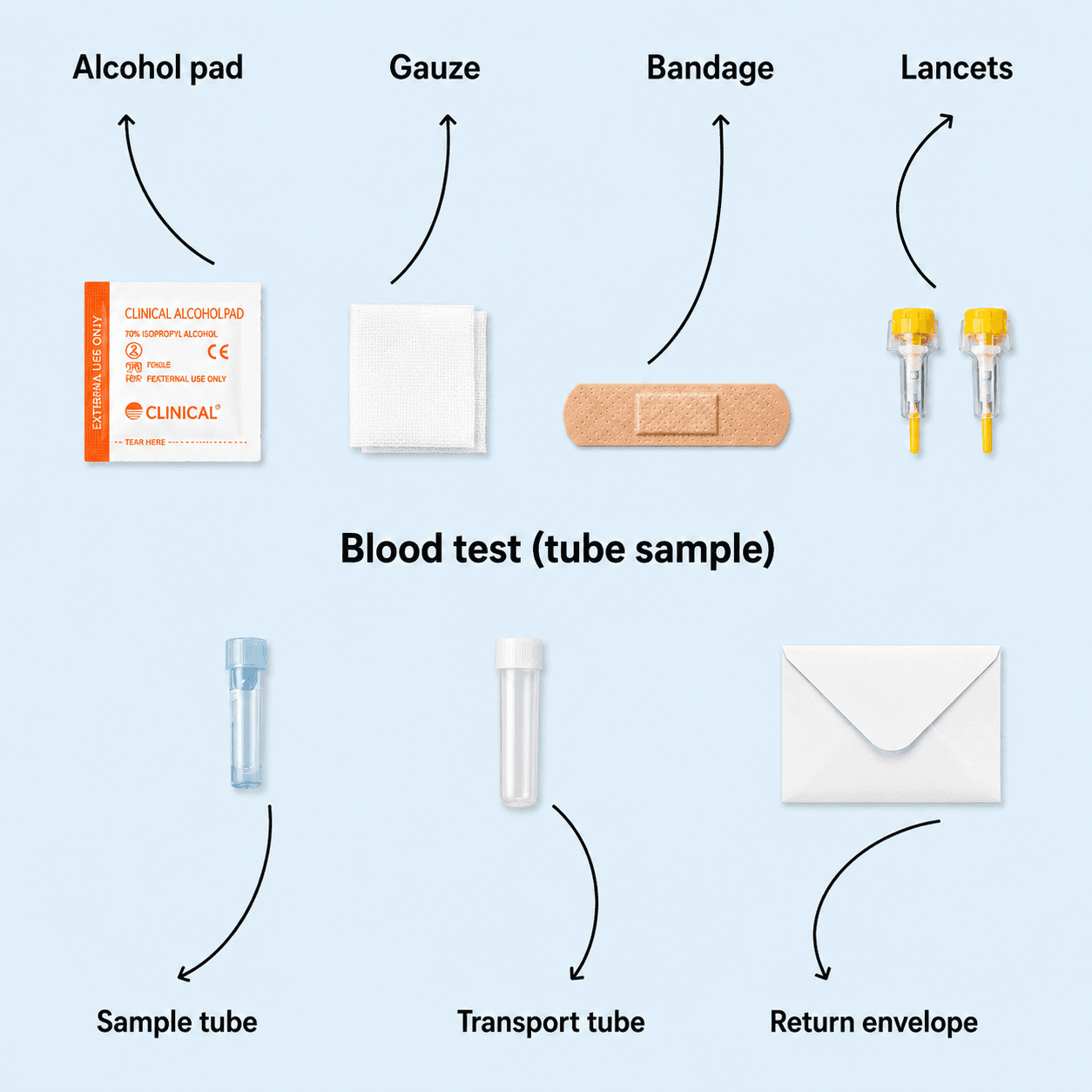
The test is performed at home using a simple finger prick blood sample. The blood is collected in a tube containing a liquid that helps preserve the sample during transport to the laboratory. Once the analysis is complete, you will receive your results digitally along with explanatory information for all measured markers.



 In stock
 Easy to use
 Fast Delivery