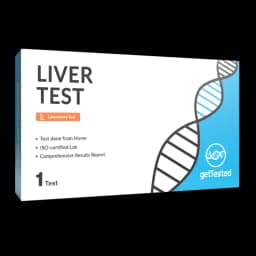
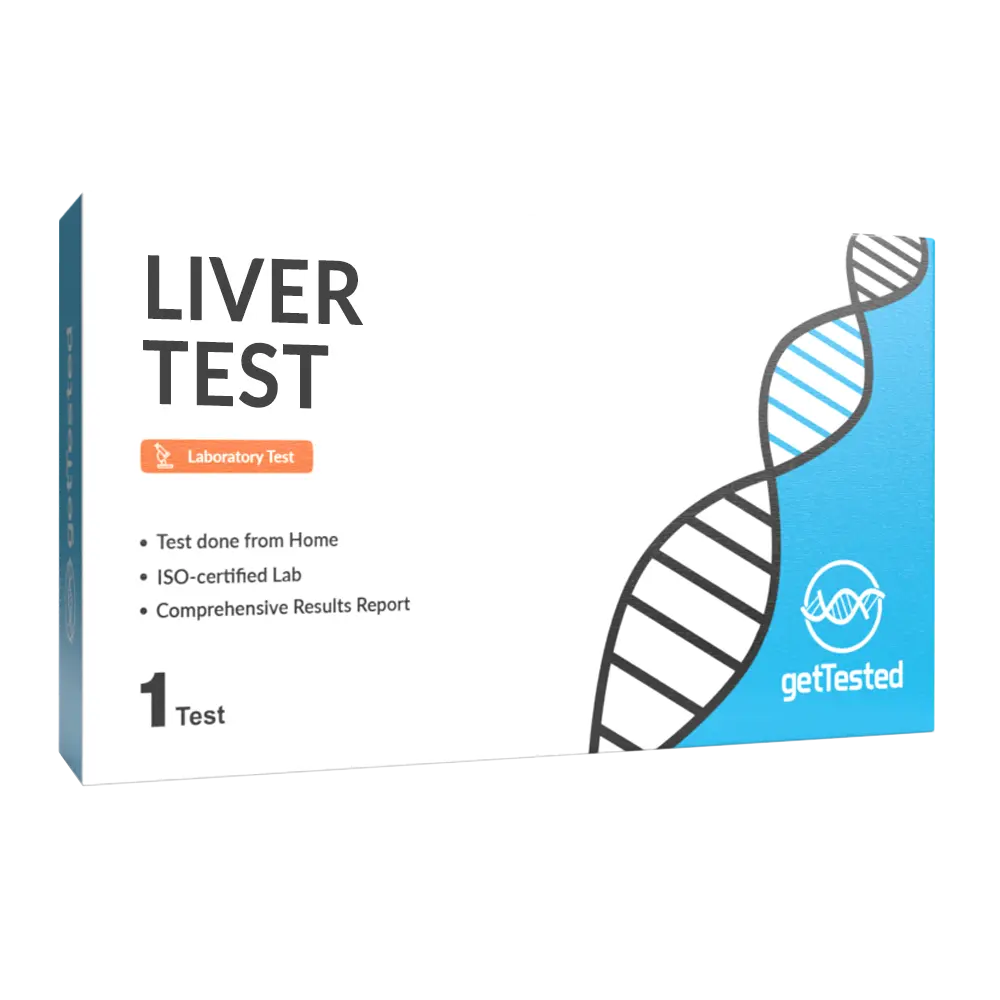
Liver Test
The Liver Test provides an overview of liver function by measuring five key biomarkers in blood: GGT, ALT, AST, ALP, and Bilirubin. These markers help assess liver health, detect early signs of liver damage, and monitor conditions that may affect liver function.
What does the test measure?
- Gamma-glutamyl transferase (GGT): An enzyme elevated in bile duct or liver disease, often associated with alcohol use or bile obstruction.
- Alanine aminotransferase (ALT): A liver enzyme that rises when liver cells are damaged, often linked to hepatitis, fatty liver, or medication effects.
- Aspartate aminotransferase (AST): Another enzyme reflecting liver cell injury; used together with ALT to evaluate the degree and type of liver damage.
- Alkaline phosphatase (ALP): An enzyme associated with bile ducts; elevated levels may indicate bile flow obstruction or certain bone conditions.
- Bilirubin: A breakdown product of red blood cells; high levels may indicate liver dysfunction, bile duct obstruction, or increased red blood cell breakdown.
When is liver testing relevant?
Liver testing may be considered if you experience symptoms such as fatigue, nausea, abdominal pain, jaundice (yellowing of skin or eyes), dark urine, or pale stools. It is also useful for individuals with risk factors such as high alcohol intake, obesity, metabolic syndrome, viral hepatitis, or long-term medication use. Regular monitoring is important for those with chronic liver conditions.
Why is liver health important?
The liver plays a central role in detoxification, digestion, energy metabolism, and hormone balance. Early detection of liver abnormalities can prevent progression to more severe conditions such as cirrhosis, liver failure, or liver cancer.
Key benefits of the Liver Test
- Measures five important biomarkers of liver function
- Can indicate early liver damage or stress
- Useful for both symptom investigation and routine monitoring
- Provides valuable insights into overall metabolic health




 In stock
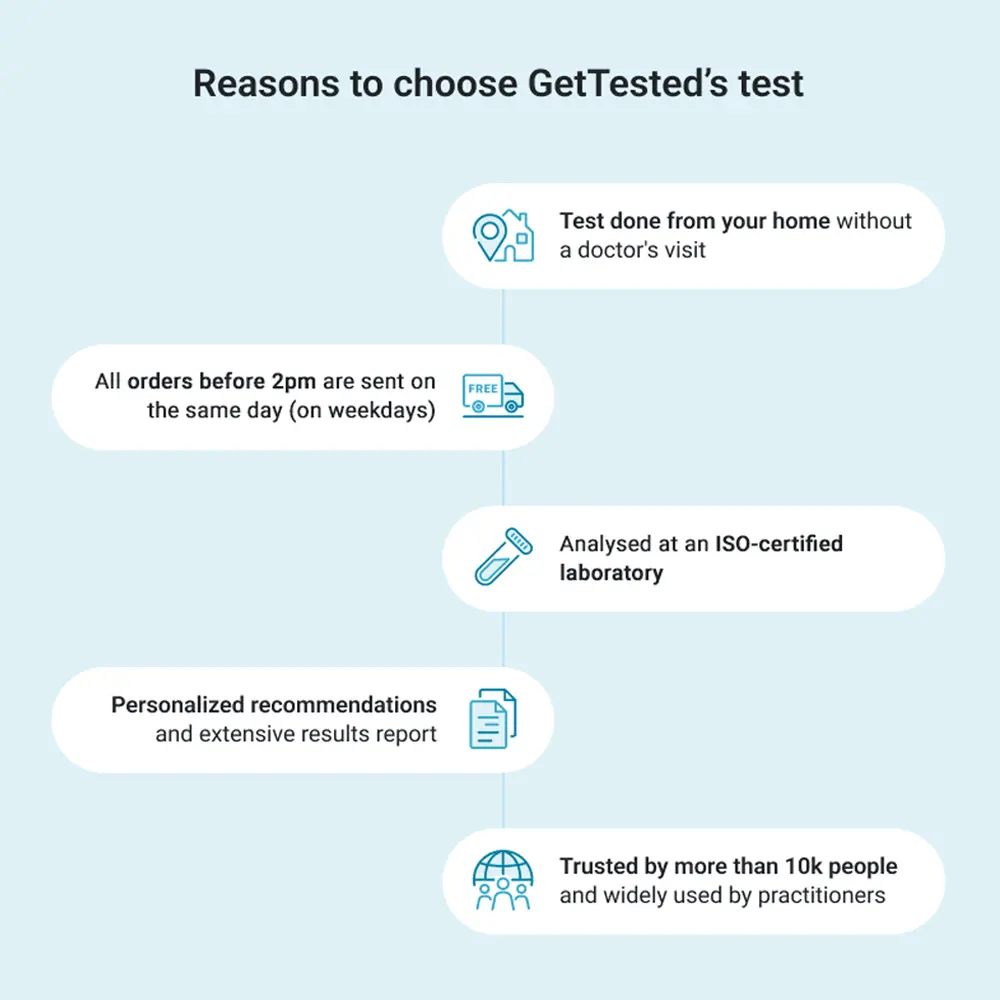
 Easy to use
 Fast Delivery