Order before 2:00 PM - your package will be shipped the same day!

Sodium
Sodium (Na) is an essential mineral that plays a vital role in nerve signaling, muscle function, and regulating blood pressure and fluid balance. It helps maintain proper hydration and supports communication between nerves and muscles. Sodium is commonly found in salt, processed foods, and many snacks. However, excessive sodium intake can contribute to health problems such as high blood pressure.


Description
Who would benefit from testing their sodium levels?
Testing for sodium levels is beneficial for individuals with conditions affecting fluid balance, such as heart failure, kidney disease, or liver cirrhosis. People with high blood pressure or those on diuretics, which can alter sodium levels, also benefit from testing. Additionally, individuals experiencing symptoms of sodium imbalance, like persistent nausea, headaches, confusion, or extreme fatigue, should have their sodium levels checked.
What are symptoms of low and high sodium?
Symptoms of Low Sodium:
- Nausea and vomiting
- Headache
- Confusion or cognitive changes
- Loss of energy, drowsiness, fatigue
- Restlessness and irritability
- Muscle weakness, spasms, or cramps
- Seizures
- Coma in severe cases
Symptoms of High Sodium:
- Extreme thirst
- Dry mouth and skin
- Irritability and restlessness
- Swelling and inflammation
- High blood pressure
- Fever
- Severe headaches
- Confusion, hallucinations
- Muscle twitching or spasms
- Seizures in extreme cases
What foods are high in sodium?
Foods high in sodium typically include processed and packaged foods like deli meats, canned soups, and fast food. Snack items such as chips, pretzels, and salted nuts also contain high levels of sodium. Many condiments, like soy sauce, ketchup, and salad dressings, are rich in sodium as well. Ready-to-eat meals and frozen dinners often have added sodium for preservation and flavor. Cheese and bread can also contribute to sodium intake. To manage sodium levels, it’s advisable to check food labels and opt for fresh, unprocessed foods when possible.
What is the nutritional benefit of sodium?
Sodium is essential for maintaining fluid balance, aiding nerve function and muscle contractions, and regulating blood pressure. It also helps in the absorption of other nutrients like glucose and amino acids. While crucial for health, especially during activities like exercise, it’s important to consume sodium in moderation, as excessive intake can lead to high blood pressure and heart issues.
Tests containing this item
 Lab Test
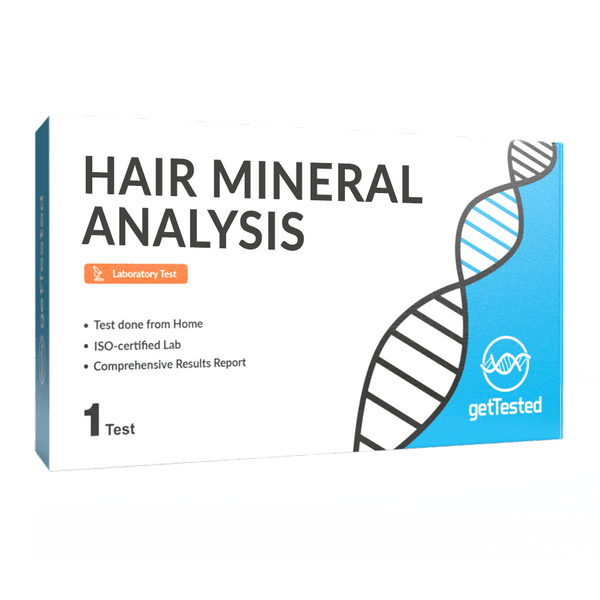
GetTested’s Hair Mineral Analysis provides a comprehensive insight into your body’s mineral balance and heavy metal levels through hair analysis. This non-invasive test measures 39 different substances to identify nutritional imbalances and toxic exposures. The test is conducted at an accredited and ISO-certified lab.
€ 189.99 EUR
 Lab Test
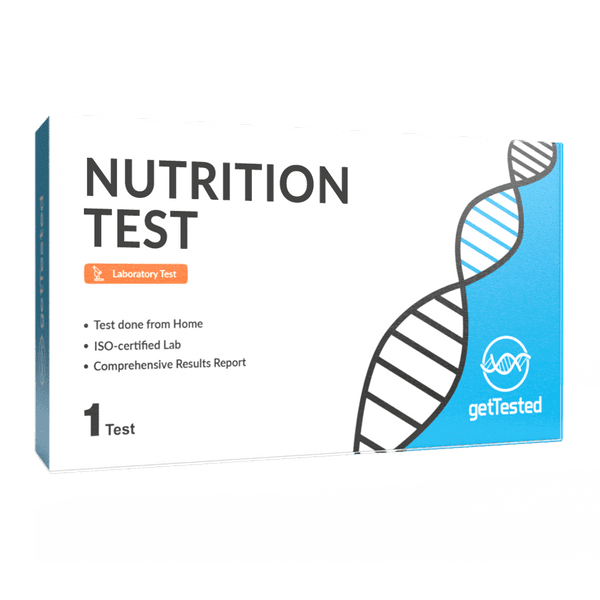
GetTested’s Nutrition Test is our most detailed nutritional analysis, measuring 12 key markers to accurately assess your nutritional health. This test not only identifies potential mineral deficiencies but also analyzes important mineral ratios that are crucial for overall wellbeing and performance. Ideal for anyone looking to optimize their health, address chronic conditions, or improve athletic performance, this test provides a comprehensive view of your nutritional status.
€ 99.99 EUR